Pahalgam transforms entirely with each passing season — from snow-draped winters to blossom-filled springs, lively summers, and golden autumns that take your breath away. Here is how to choose the perfect moment for your visit.
At 2,740 metres above sea level, Pahalgam occupies a valley carved over millennia by the Lidder River. That altitude means the seasons here are not merely different — they are dramatically, sometimes violently different. Each one offers a version of the destination so distinct that returning guests often speak of it as visiting a completely new place. Understanding the seasons is the single most important decision you will make when planning your Kashmir trip.
Most travellers make the mistake of treating Pahalgam as a summer-only destination because that is when it appears in travel guides. In reality, three of the four seasons offer exceptional experiences — each with their own character, their own light, their own crowd profile, and their own reasons to go.
Spring: March to May
Spring arrives in Pahalgam like a slow revelation. By mid-March, the ice on the Lidder begins to loosen, the bare chinar and walnut trees show their first green buds, and the meadows — dormant all winter — begin turning. By April, the transformation is complete: the valley is green, vivid, and alive in a way that photographs struggle to capture.
Temperatures in spring sit between 8°C and 20°C — cold at night, pleasant through the day. The Lidder runs fast and high, fed by snowmelt from the peaks above. The Baisaran Meadow in late April is among the most beautiful natural sights in India: knee-high grass, early wildflowers, snow still dusting the ridges above, and clear air that carries the smell of pine and cold water.
Spring is when Pahalgam is least crowded. The school holidays that drive summer bookings have not yet begun, and the valley belongs largely to those who know. Accommodation is easier to secure, the bazaar is quieter, and the trails feel genuinely exploratory. If solitude matters to you, come in May.
Summer: June to August
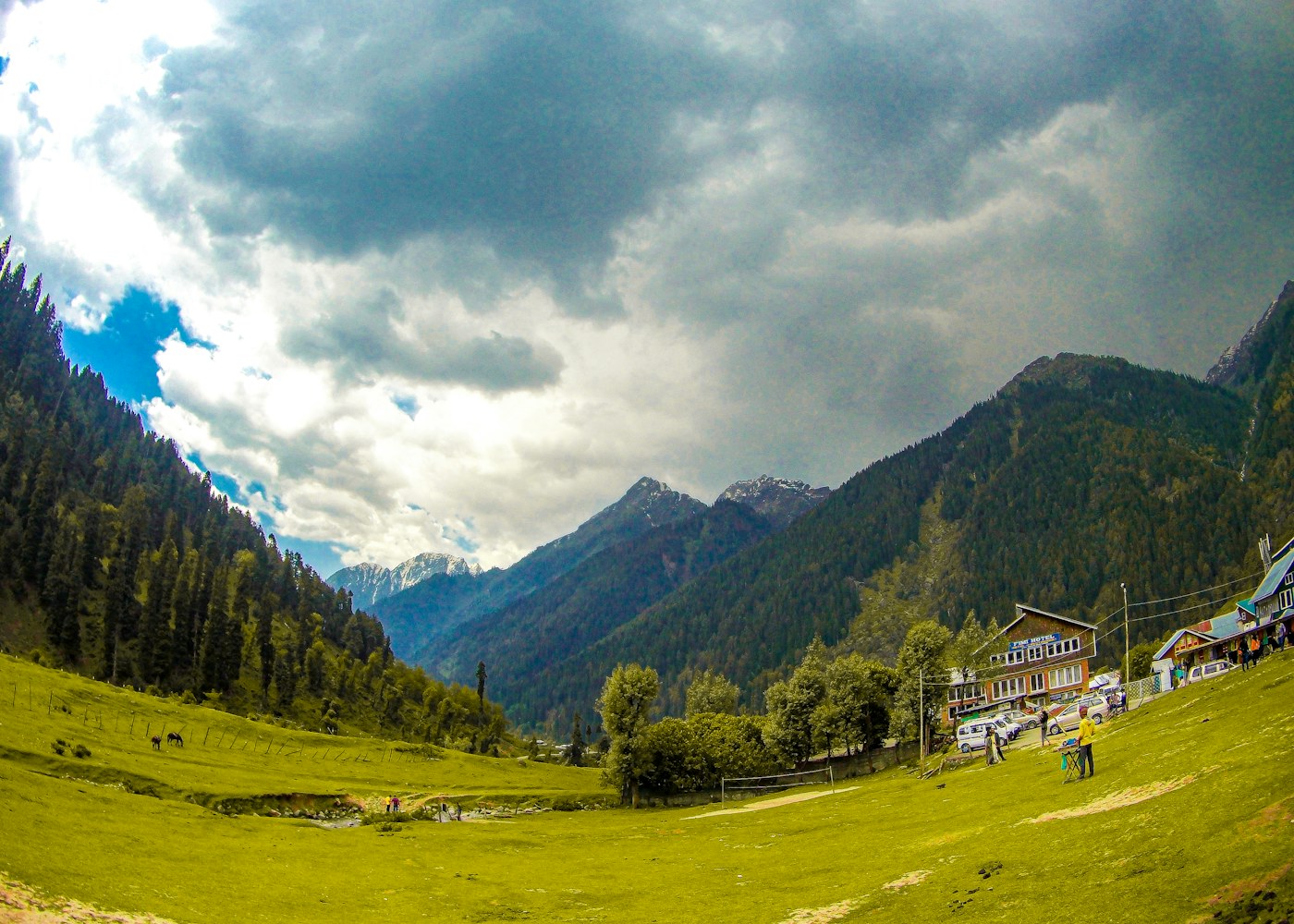
Peak season, and for good reason. All roads are open, the high meadows are accessible, and the valley is at its most exuberant. Daytime temperatures reach 25–28°C — warm enough for shirtsleeves at noon, cool enough to need a fleece by sunset. The Amarnath Yatra pilgrimage fills the region with spiritual energy, local markets are at their most lively, and the resort is full.
Aru Valley, Betaab Valley, and Chandanwari are all open and at their most photogenic. The high alpine meadows above Baisaran — accessible by horse or on foot — are carpeted in wildflowers. Treks to Kolahoi Glacier and Sheshnag Lake are viable for those with the stamina.
The honest caveat: summer is also when Pahalgam is most crowded. The main bazaar fills with day-trippers from Srinagar, weekends can feel overwhelming, and advance booking at Walnut Village Resort is essential — often by two to three weeks. The solution is simple: arrive midweek, spend mornings in the high meadows before day-trippers arrive, and let evenings at the resort be your retreat.
Autumn: September to November
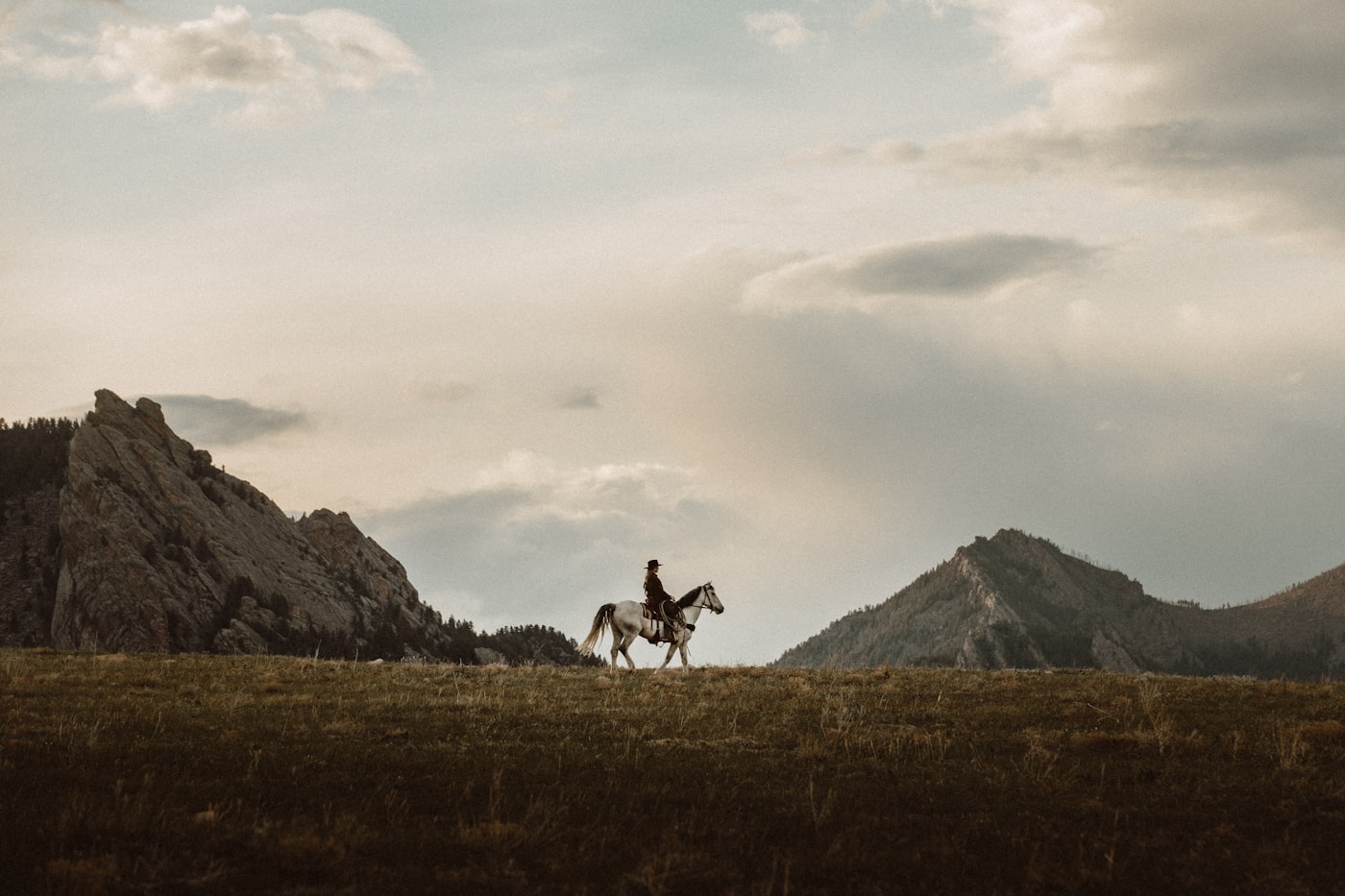
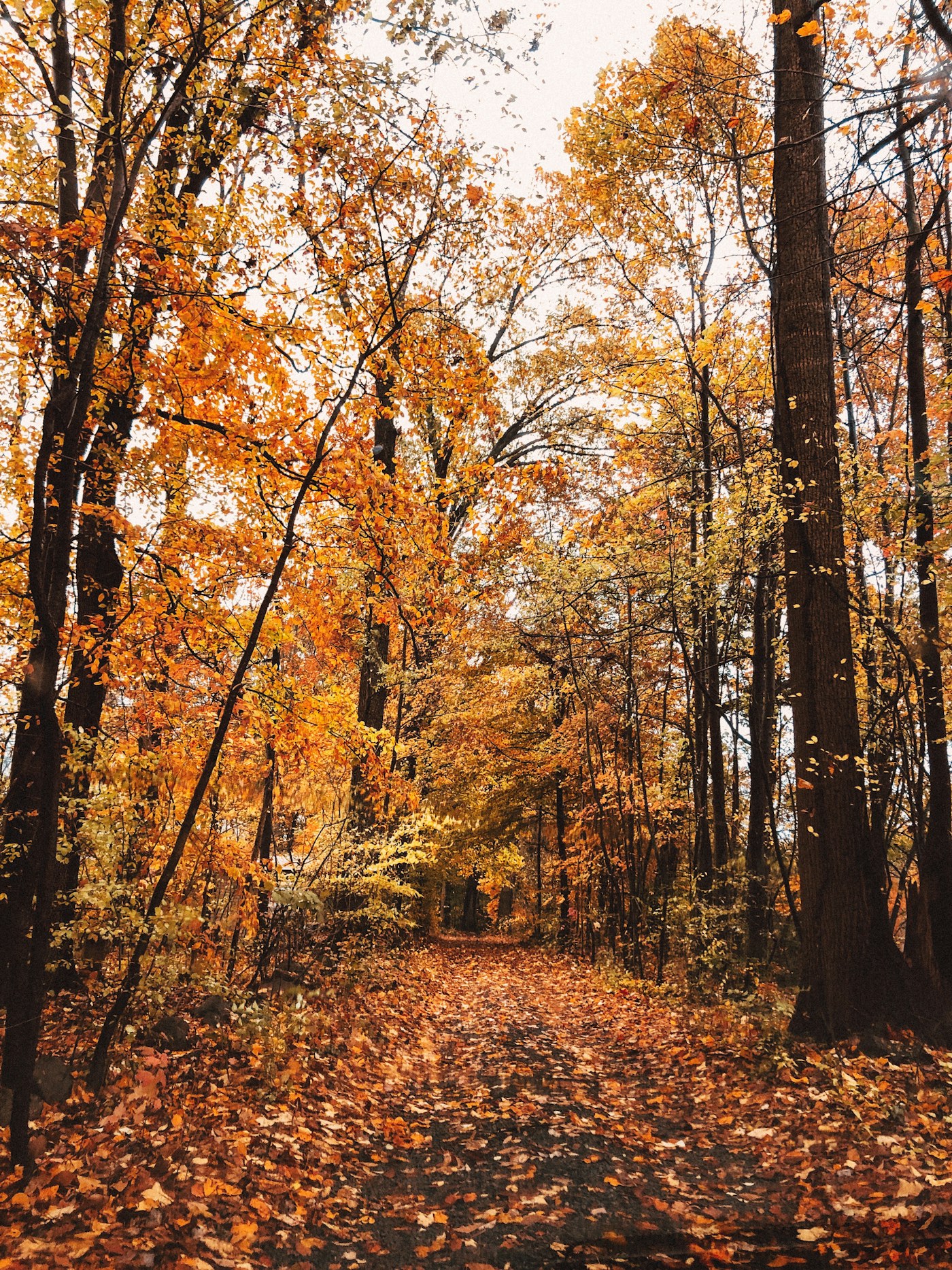
This is, without qualification, our favourite season. The crowds have thinned, the weather is crisp and clear, and the valley undergoes one of the most extraordinary colour transformations in the subcontinent. The chinar trees — Kashmir's defining tree, planted by Mughal emperors across the valley — turn deep gold and amber. Walnut trees go rust-red. The Lidder runs lower and calmer, and the light at dusk takes on a quality that painters have been trying to capture for centuries.
October is walnut harvest season in Pahalgam. The trees around the resort — which give Walnut Village its name — are harvested by hand through October. Waking to the sound of harvest activity, wood smoke rising through cool air, and a sky of absolute blue is one of those experiences that guests mention years later.
Temperatures in autumn range from 5°C at night to 18°C by midday. Pack layers, but know that the afternoons are long and warm and that the golden light starts around 4pm and builds for two hours before sunset. Those two hours are some of the most beautiful in Kashmir.
Winter: December to February
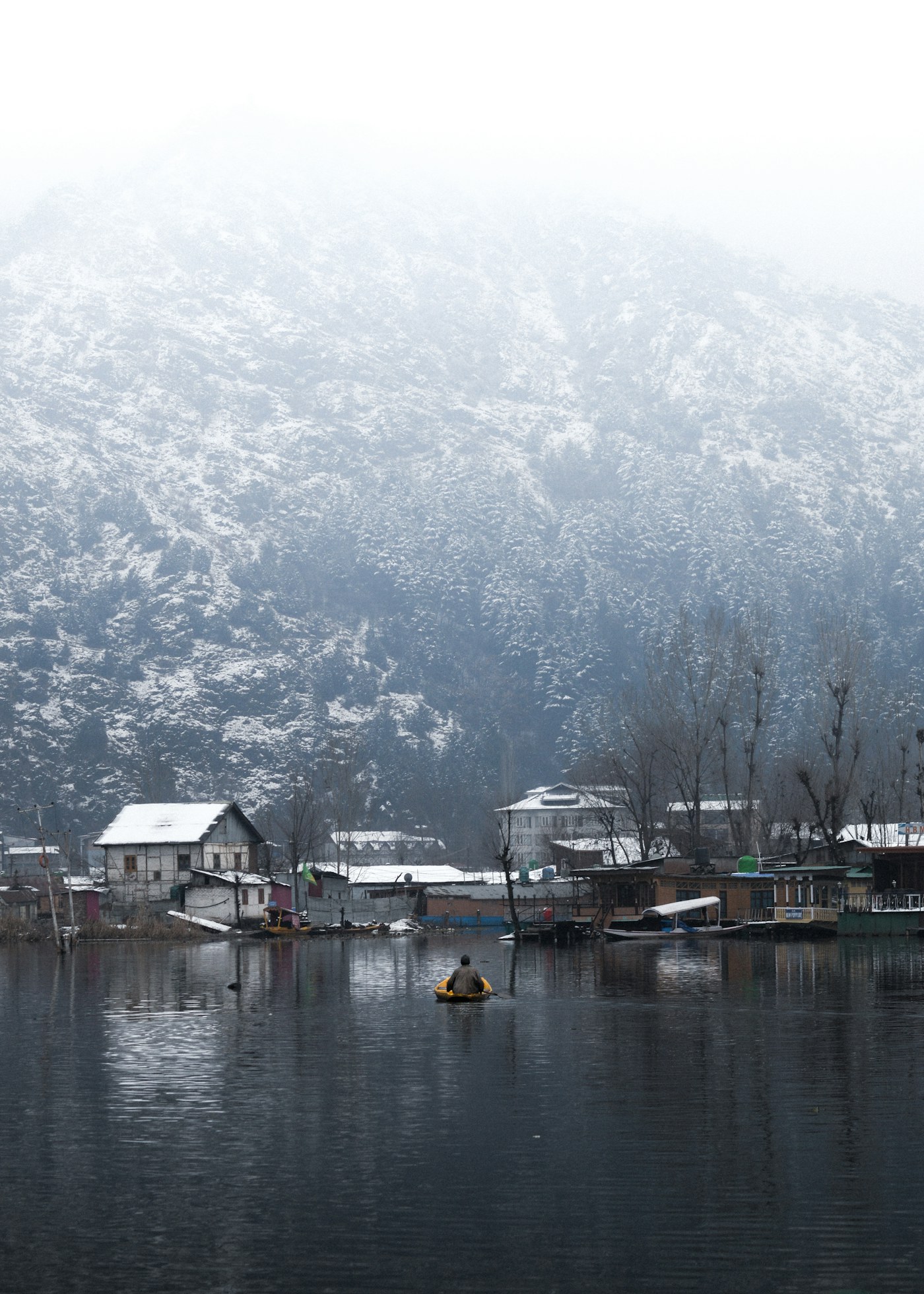
Pahalgam in winter is not for everyone, and we say that directly so you can make an informed decision. Temperatures drop to -10°C or lower at night, heavy snowfall closes the road to Chandanwari and some high-meadow trails, and there is very little of the tourist infrastructure that operates year-round in summer. What remains is something rarer: a landscape of extraordinary, silent beauty.
The Lidder freezes at its edges. Snow covers everything. The resort's wood fires run from morning to night. Kashmiri Kahwa takes on a different weight when it is the warmth between you and -10°C. Guests who come in winter tend to describe it as the most restorative trip they have ever taken — not because it is comfortable or convenient, but because the enforced stillness is exactly what they needed.
Snow activities — sledging, snowshoeing, photography in the white valley — are available. The resort remains open and staffed through winter. If you are considering a winter visit, we recommend contacting us directly for current road conditions and what to expect.
The Verdict: When Should You Come?
First visit, maximum scenery, manageable crowds: late May or early October. Both seasons offer excellent weather, extraordinary landscapes, and enough space to feel the place rather than just queue through it.
Returning visit, something different: winter (December–February) for silence and snow, or July for the full summer energy of the Amarnath Yatra season. Each is a completely different Pahalgam.
The one season we would caution against: peak summer weekends in July and August without advance planning. The valley is beautiful but the crowds are real. Book early, arrive midweek, and build in unstructured time. That is the difference between a good Kashmir trip and a memorable one.