Kashmiri food is one of the most sophisticated culinary traditions in Asia — shaped by Mughal courts, Persian spice routes, and a highland landscape that produces ingredients found nowhere else on earth. Here is how to understand it before you arrive.
Most visitors to Kashmir arrive having heard of Rogan Josh. They leave having discovered that Kashmiri cuisine is a complete world — ceremonial, seasonal, ingredient-obsessed, and deeply tied to the geography and history of the place. To eat well in Kashmir requires only two things: curiosity and time. This guide will give you the vocabulary for the first; the second is yours to bring.
The story of Kashmiri food is the story of the valley itself. Mughal emperors made Srinagar their summer capital from the 16th century onwards, bringing with them Persian cooking techniques, Central Asian spice routes, and a culture of elaborate feasting. These were layered onto a pre-existing tradition of highland cooking built around preserved meats, dried vegetables, fermented dairy, and the remarkable spices — saffron, Kashmiri chilli, fennel seed, dried ginger — that the valley's unique microclimate produces.
The Wazwan — Kashmir's Grand Ceremonial Feast
The Wazwan is not a single dish. It is an event — a multi-course ceremonial meal traditionally prepared by master chefs called Wazas, whose craft is passed down through families across generations. At a Kashmiri wedding, a Wazwan can run to 36 courses and take two days to prepare. Even a simplified restaurant version represents hours of preparation and a philosophy of cooking that bears no resemblance to fast food.
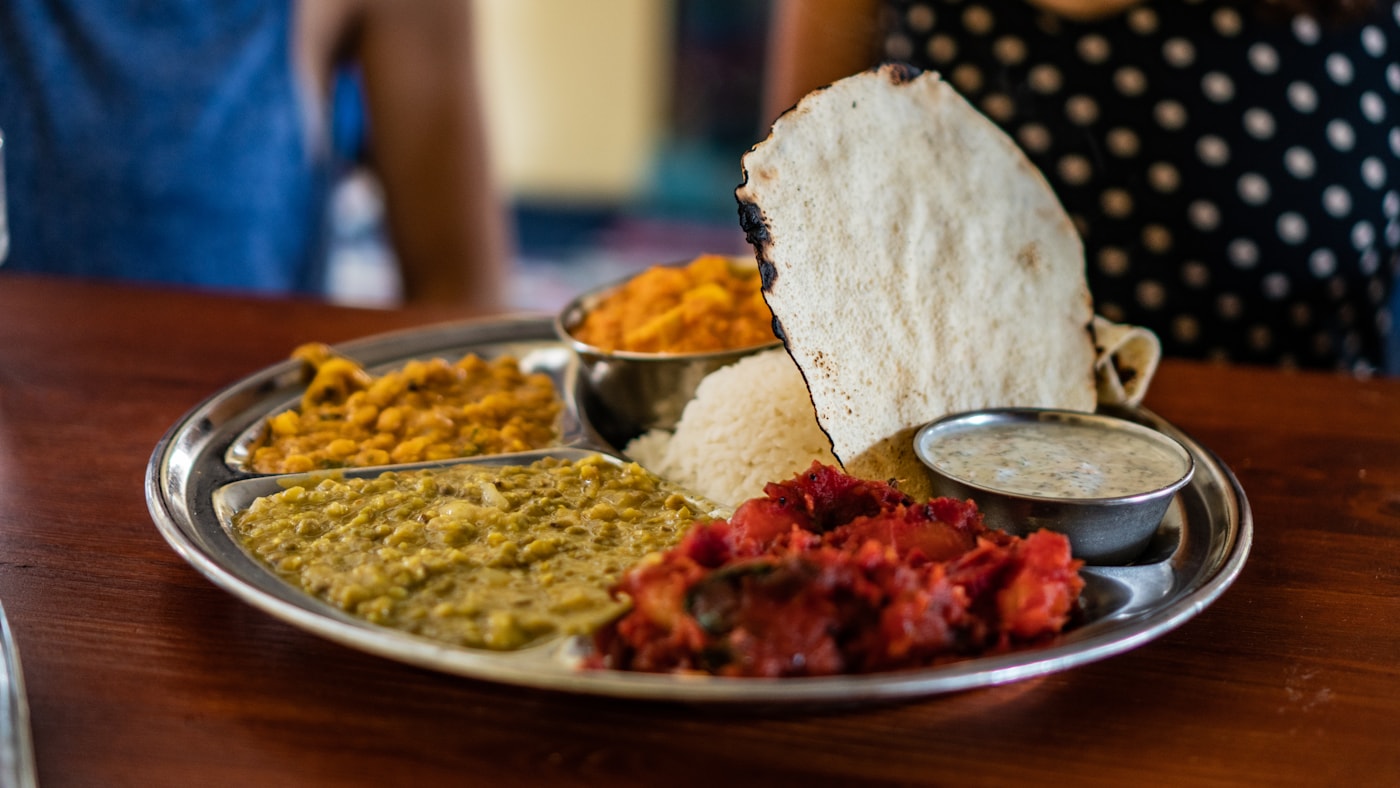
The meal is served communally. Four diners share from a large copper plate called a traem, which arrives laden with rice at its centre and dishes arranged around it. The etiquette is to begin with rice and rotate through the dishes, always eating with your right hand. The Waza traditionally stands and watches, replenishing dishes and ensuring everything is eaten at the right temperature.
The key dishes of a Wazwan: Rogan Josh (slow-cooked lamb shoulder in a deep red gravy of Kashmiri chilli, fennel, and whole spices — the signature dish of the tradition); Yakhni (lamb braised in yogurt, fennel seed, and cardamom — pale, subtle, extraordinary); Gushtaba (minced lamb worked to a paste, shaped into large dumplings, and simmered in a white yogurt gravy — a Waza's most technically demanding dish, served at the end of the meal); and Tabak Maaz (lamb ribs marinated in yogurt and spices, then fried until the exterior is crisped and the meat falls from the bone).
The Architecture of Kashmiri Spice
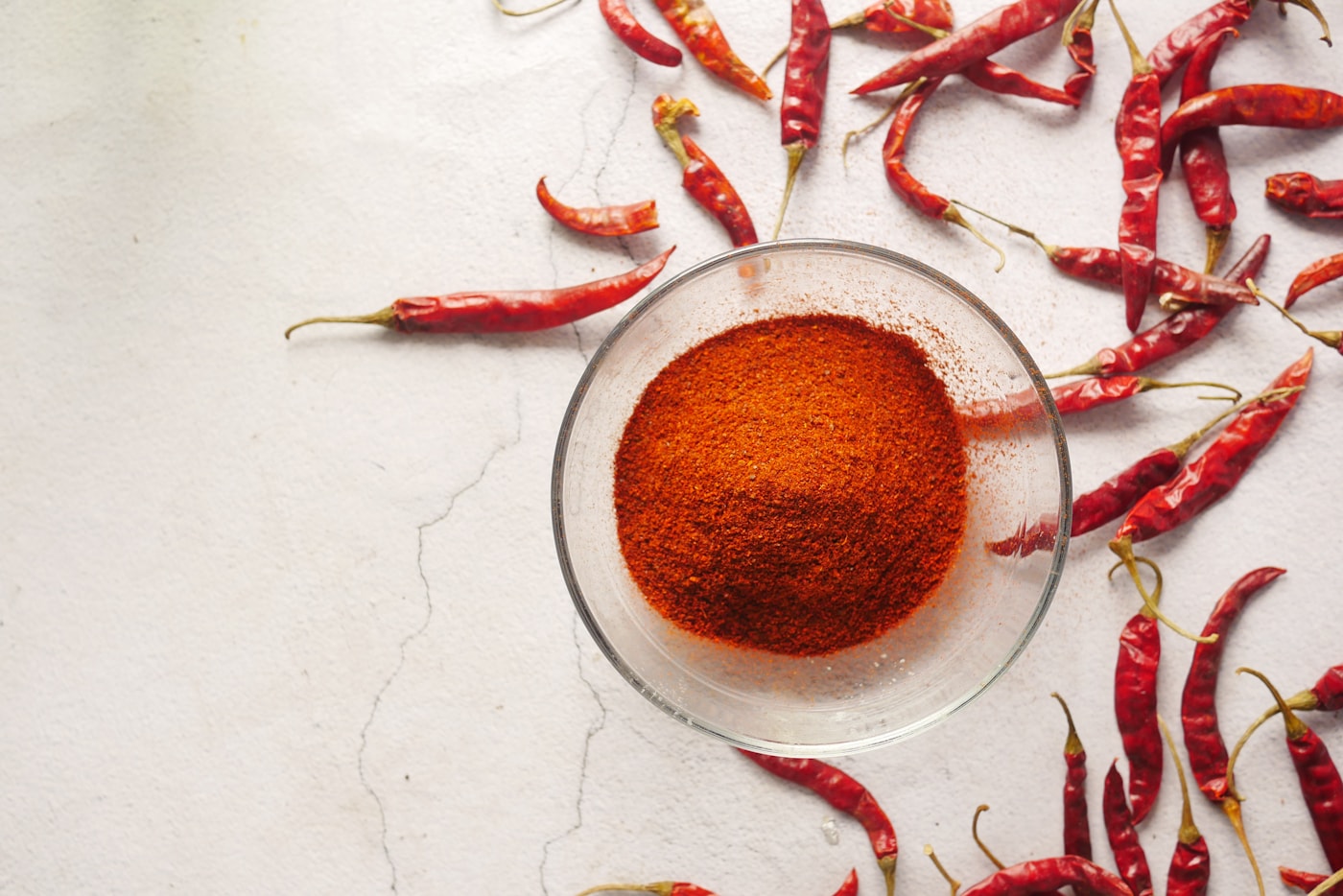
What makes Kashmiri cooking distinct from the rest of Indian cuisine is its spice philosophy. Where much Indian cooking builds heat through fresh green chilli and black pepper, Kashmiri cooking relies on dried whole spices — particularly the Kashmiri dried red chilli (Deghi Mirch), fennel seed, dried ginger (soonth), cardamom, and cinnamon. The result is food that is deeply aromatic and richly coloured but often mild in actual heat.
The Kashmiri red chilli is the defining spice of the tradition. Grown in the Kashmir Valley, it produces a brilliant red colour and a fruity, slightly sweet flavour without the burning heat of Cayenne. It is what gives Rogan Josh its famous colour — not tomato, which was unknown in Kashmir until relatively recently. A good Rogan Josh is the colour of a deep red wine and carries a fragrance that is impossible to confuse with any other dish.
The Everyday Kitchen: Haak, Dum Aloo, and More
Away from the ceremony of the Wazwan, daily Kashmiri cooking is quieter, more austere, and no less satisfying. Haak is the essential side dish of the Kashmiri table — collard greens wilted quickly in mustard oil with whole spices, nothing more. It sounds simple and tastes elemental. Eaten alongside rice and a bowl of plain yogurt on a cold evening, it is deeply comforting.
Dum Aloo Kashmiri uses small local potatoes — stubby, waxy, absorbent — cooked in an asafoetida-and-fennel gravy that bears no resemblance to the version served in restaurants elsewhere in India. The spice profile is restrained and complex. Modur Pulao is a sweet saffron rice with dry fruits — almonds, walnuts, raisins — that bridges the gap between the savoury and sweet, sometimes served alongside meat dishes, sometimes as a course in itself.
Kahwa, Noon Chai, and the Culture of Tea
Tea in Kashmir is not a footnote — it is a daily ritual with a grammar of its own. There are two teas, and they could not be more different from each other.
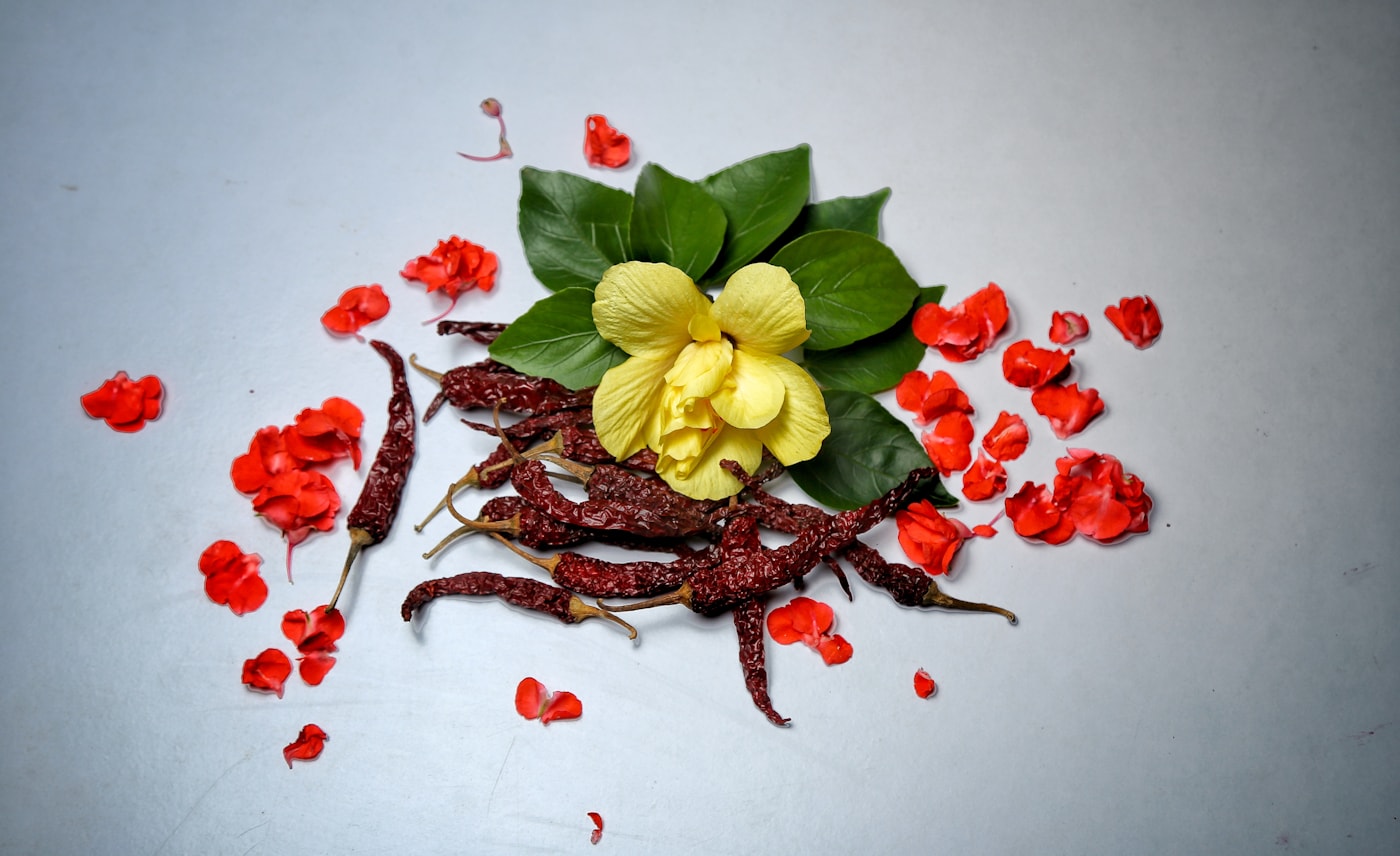
Kashmiri Kahwa is green tea brewed with saffron, green cardamom, cinnamon bark, and rose petals, served in small cups with slivers of almond floating on the surface. It is warming, gently caffeinated, and has a flavour profile — floral, spiced, faintly smoky from the samavar — that is specific to this place. The best Kahwa uses Kashmiri saffron from Pampore, 70km from Pahalgam, which is among the most expensive spices on earth. It takes 150 flowers to produce one gram. Even a small amount turns the tea gold and transforms it.
Noon Chai — or sheer chai — is the other Kashmiri tea, and it requires explanation before it requires tasting. It is a pink tea made from a specific variety of tea leaf, brewed with salt and baking soda. The baking soda reacts with the leaf tannins to turn the brew a remarkable shade of dusty pink. It is served with milk and topped with crushed pistachios or almonds. The flavour is unlike any other tea in the world — savoury, creamy, faintly salty, with the nuttiness of the toppings. Kashmiri families drink it at breakfast, every morning, for their entire lives. Give it two cups before forming an opinion.
What to Order and Where
In Pahalgam, seek out the smaller family-run restaurants in the old town rather than the hotel dining rooms — the latter are fine, but the former are where actual Kashmiri home cooking is reproduced without concession. Ask specifically for Haak, Dum Aloo Kashmiri, and Modur Pulao. For Wazwan, make a specific request in advance — it requires preparation time that most restaurants need notice for.
When in Srinagar before or after Pahalgam, a proper Wazwan lunch at one of the old established restaurants in the Residency Road area is non-negotiable. Order the full thali if available. Eat slowly. This is not food you rush.
Above all: let the meal take the time it takes. Kashmiri hospitality moves at its own pace, which is slow by design. The Wazwan was never conceived as a quick lunch. It is a ceremony, a conversation, a demonstration of generosity. Entering it with that understanding changes the experience entirely.