Pahalgam rewards those who go slightly further, stay slightly longer, and ask slightly more. These seven experiences move beyond the standard circuit and connect you to the landscape, the culture, and the people of the valley in a way that stays with you long after you leave.
Most visitors to Pahalgam follow the same circuit: Baisaran in the morning, Betaab Valley in the afternoon, a horse ride somewhere in between, a souvenir shop on the way back. That circuit exists for a reason — those are genuinely beautiful places. But the valley rewards depth. The guests who leave talking about Pahalgam as a life-changing experience are almost always those who stayed longer, went earlier, and approached the place with curiosity rather than a checklist.
These seven experiences are not secret — locals know all of them. What makes them exceptional is the approach: the timing, the pace, the willingness to linger. Each of them is available to any guest at Walnut Village Resort, and our team is always happy to help arrange and guide them.
1. Baisaran Meadow Before Sunrise
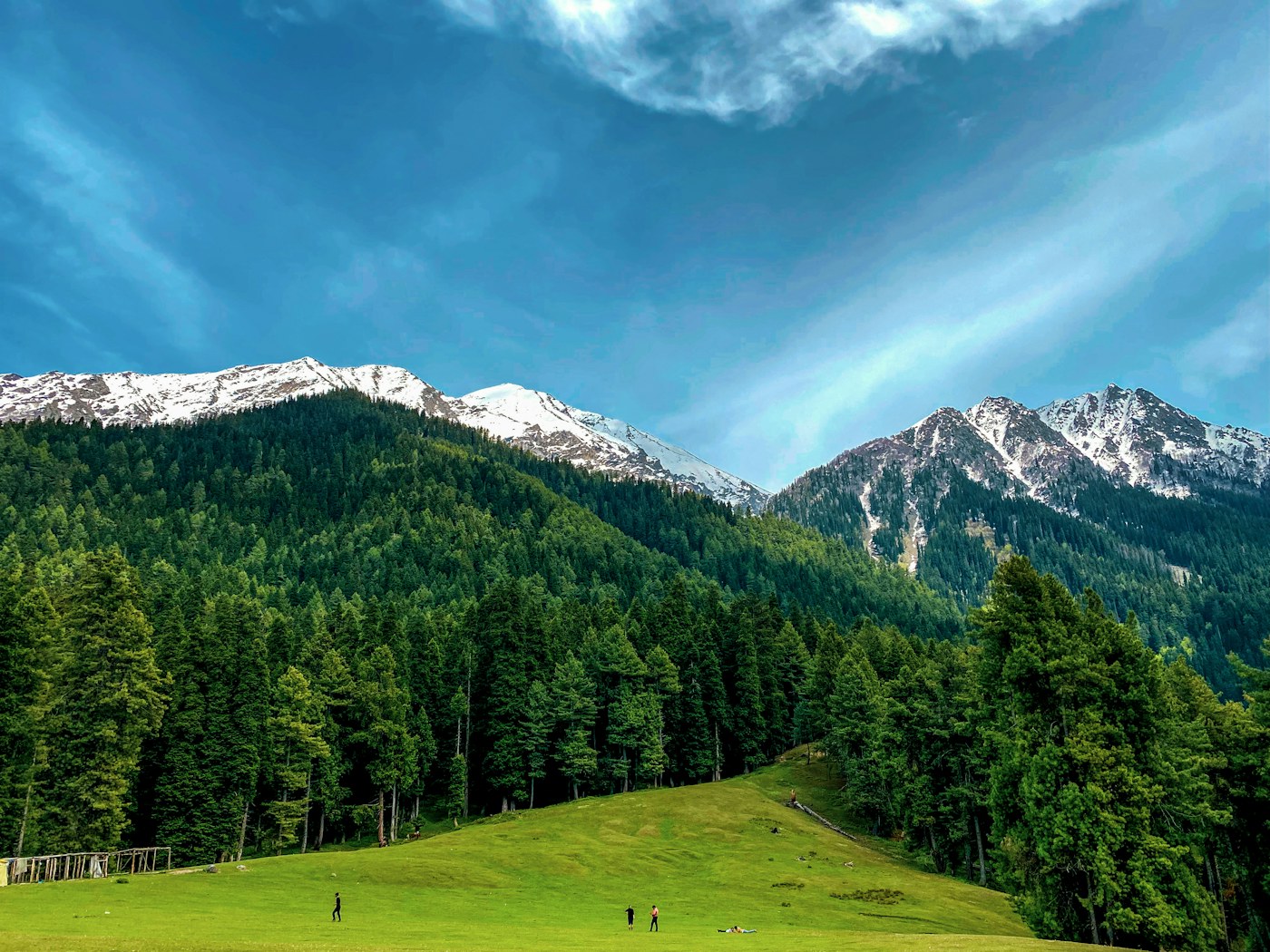
Everyone goes to Baisaran. Situated 5km from Pahalgam town and accessible only by horse or on foot, it is a wide alpine meadow ringed by dense pine forest, with snow-capped ridges above and the sound of the Lidder valley below. In summer, it receives thousands of visitors daily. The photographs you have seen of Kashmir — green meadow, snow peaks, clear blue sky — are often Baisaran.
What almost no one does is go at dawn. Arrange a horse or a guide the evening before. Leave the resort at 5am. Arrive at Baisaran as the sun lifts over the eastern ridge and turns the snow peaks pink before orange before gold. For the first forty minutes you will likely be completely alone. The quality of that solitude — the silence, the dew on the grass, the absurdly beautiful light — is something that midday with five hundred other visitors simply cannot offer.
By 9am the first day-trippers arrive. By 10am the meadow is busy. By noon the horse vendors are calling and the chai stalls are crowded. Dawn is an entirely different world. Book it, wake up for it, do not let the early hour be a reason to miss it.
2. Aru Valley — Pahalgam's Quieter Neighbour
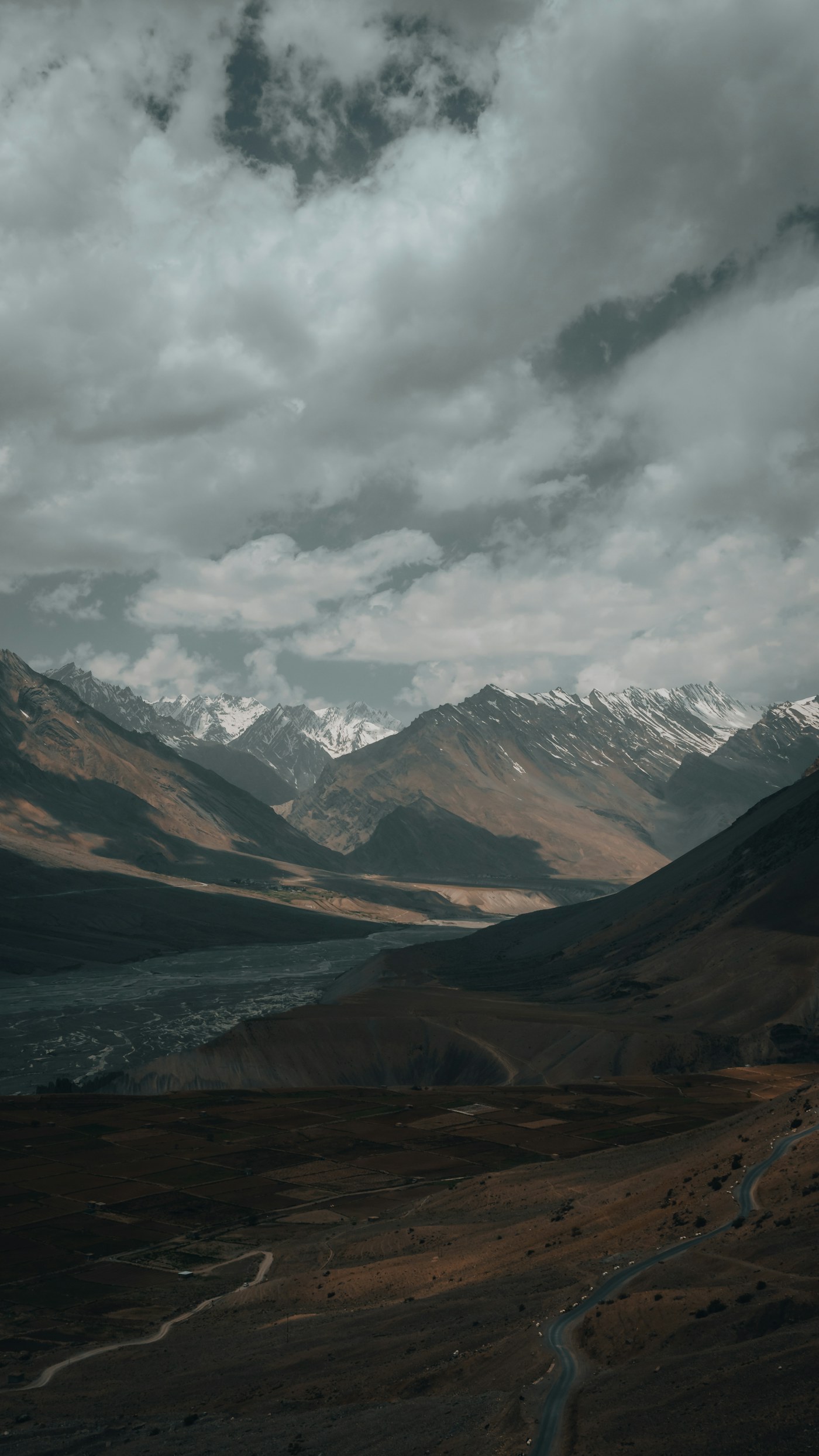
Twelve kilometres from Pahalgam, Aru Valley is less visited, less photographed, and in some ways more beautiful than the more famous sites. The road follows the Aru stream through dense stands of birch and conifer before opening — quite suddenly — into a wide, flat-bottomed valley backed by a semicircle of glacial peaks. The scale is extraordinary. You feel very small in a way that is not frightening but clarifying.
There are no souvenir stalls at Aru. There are no Bollywood film locations. There is a small settlement of wooden houses, some grazing Bakerwali sheep, the constant sound of water, and a view of the Kolahoi Glacier at the head of the valley. The trekking routes from Aru to Kolahoi and onward to the Tarsar and Marsar lakes are among the finest in the Kashmir Himalayas — multi-day treks with fully equipped campsites that our team can arrange.
For those without trekking ambitions, Aru is perfect as an afternoon destination: drive up, walk along the stream, have tea with a local family if the opportunity arises, and return to the resort with the feeling that you have seen a side of Pahalgam most visitors miss entirely.
3. Horse Riding Through the High Meadows
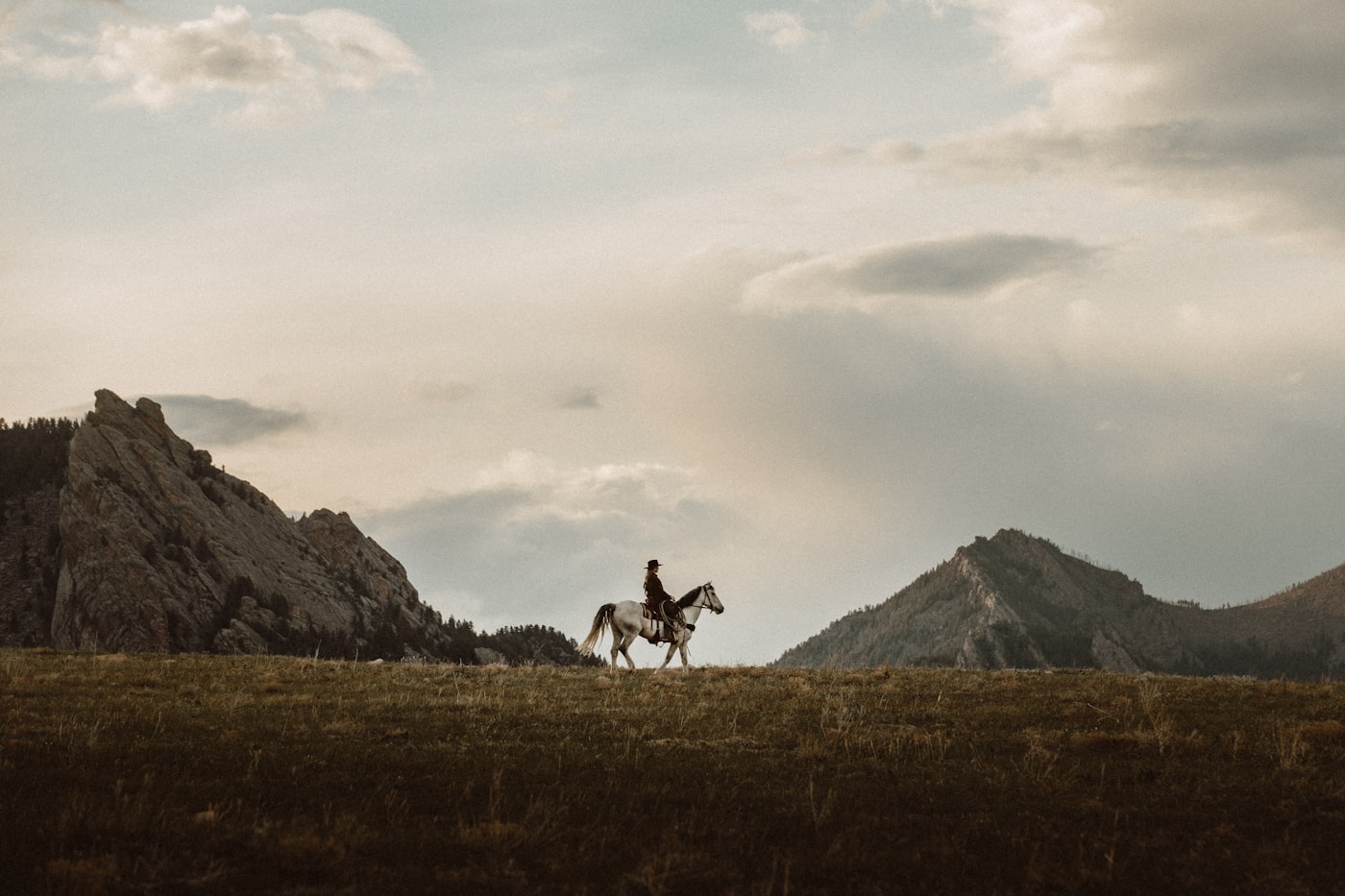
Horse riding in Pahalgam is not a tourist activity grafted onto a landscape — it is the historical and still-practical means of accessing the high meadows that have no road access. The Gujjar and Bakerwal communities who manage the horses have been doing this work for generations. The horses themselves are small, hardy, Himalayan-adapted animals that navigate steep trails with a composure that takes first-timers by surprise.
The standard route goes from Pahalgam town to Baisaran and the smaller meadows above it. For the more adventurous, longer rides go to Tulian Lake (4,000m) or toward the Kolahoi base. Half-day and full-day rides are available. Go with a local guide rather than through the main bazaar stands — the quality of the horses and the guides varies enormously, and our team can recommend operators we know and trust.
4. A Walk Along the Lidder River
The Lidder River runs directly past Walnut Village Resort — you can hear it from the rooms and see it from the terrace. It originates at the Kolahoi Glacier at 4,000m and flows through Pahalgam before joining the Jhelum near Islamabad. In summer, it runs cold, clear, and fast, fed by snowmelt. In autumn, it settles into a deeper, calmer flow that perfectly reflects the trees on its banks.
The riverside path east of the resort — upstream from the town, away from the main road — is one of the most underrated walks in Pahalgam. Follow it for two to three kilometres and the sound of traffic fades completely. You are walking through poplar groves and willow stands, the river beside you, the ridge above. There is no summit, no viewpoint, no destination. The walk is the point.
5. Betaab Valley in the Golden Hour
Betaab Valley, 15km from Pahalgam, was made famous by the 1983 Bollywood film shot here and has been a destination ever since. Like Baisaran, it is beautiful and busy. Like Baisaran, the solution is timing. Arrive at 4pm, when most day-trippers are leaving. The afternoon light from the west catches the meadow and the stream at an angle that the midday sun never achieves. Long shadows, golden grass, the peaks still sunlit above while the valley floor deepens — it is worth every kilometre of the drive.
6. Meeting the Gujjar and Bakerwal Nomads
The Gujjar and Bakerwal communities are pastoral nomads who have migrated between the Kashmir Valley and the high Himalayan meadows for centuries. Each summer, they move their flocks — water buffalo, sheep, goats — up to the alpine grazing grounds above Pahalgam. In autumn, they descend. The migration routes pass through Baisaran and along the Aru Valley road, and in summer you will encounter their temporary camps if you leave the main tourist areas.
These encounters — when they are genuine and respectful — are among the most memorable of any Kashmir visit. The communities are hospitable and accustomed to curious visitors, but they are not a tourist attraction and should not be treated as one. Approach with patience, accept tea if offered, and ask questions through gestures and broken Hindi. Their knowledge of the landscape — the weather, the routes, the animals, the plants — is encyclopaedic in a way that no guidebook approaches.
7. Stargazing from the Resort
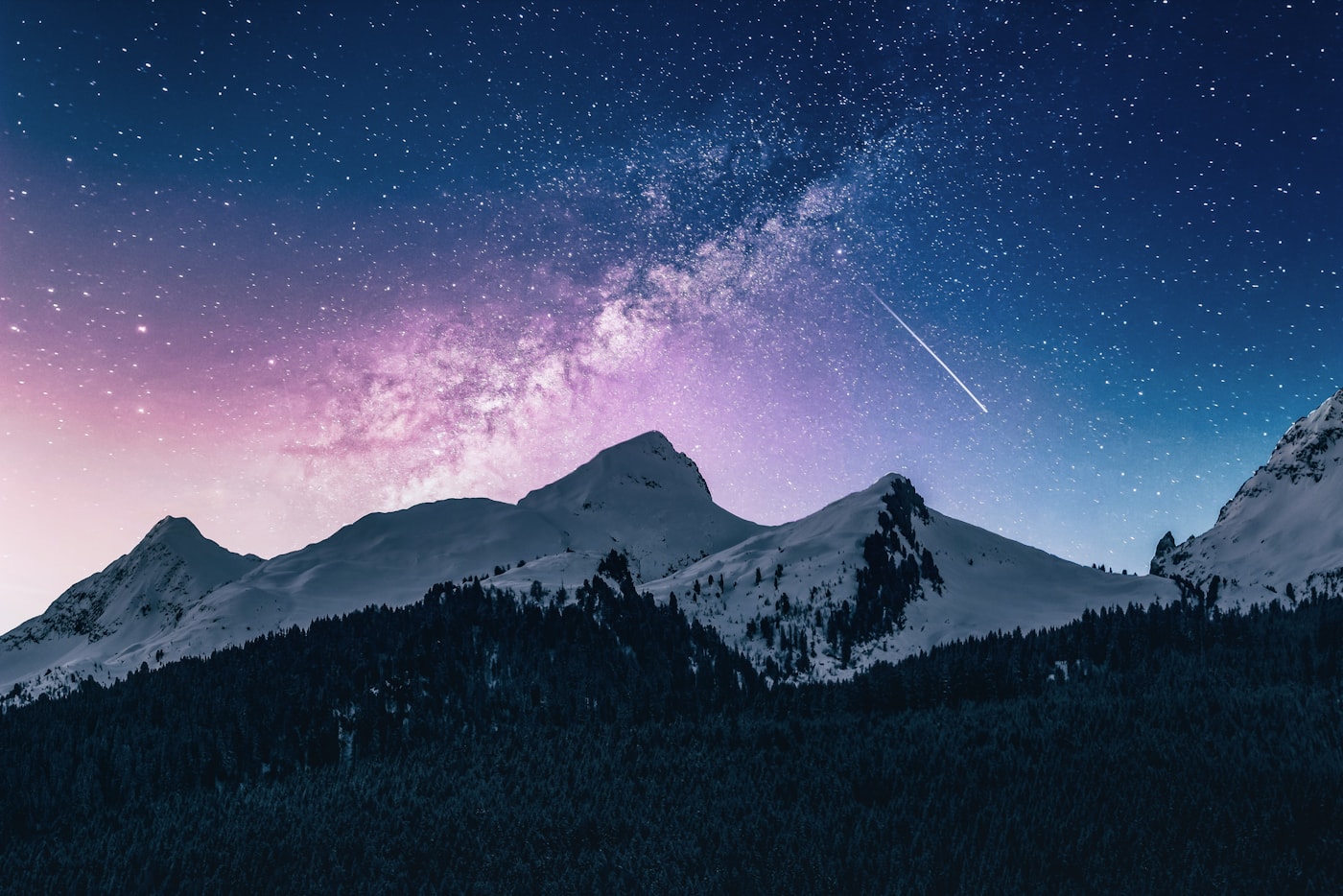
At 2,740 metres, with minimal light pollution from a small town with limited streetlighting, Pahalgam is one of the finest natural stargazing locations in the subcontinent. On clear nights — which in summer and autumn means most nights — the Milky Way is visible to the naked eye as a dense, unmistakable band across the sky. In winter, when the air is completely clear and the stars are bright enough to cast shadows, the experience approaches something close to overwhelming.
No equipment is needed, though a pair of binoculars transforms an already extraordinary view. Dress warmly — temperatures drop sharply after sunset at this altitude even in summer. Make a flask of Kahwa. Find a spot away from the resort's outdoor lights. Look up. Give it twenty minutes for your eyes to fully adjust. What you see will recalibrate your sense of the scale of things.